Saturday, 20 February 2016

Pasta with sardines ("Pasta chi sardi")

Pasta with sardines ("Pasta chi sardi"), combination of strong and contrasting flavors, is one of the most famous Sicilian dishes in the World, that will surprise you for its unique and extraordinary taste. There are several versions of this recipe prepared with absolutely typical ingredients of the Sicilian territory as sweet fennel or ingredients which are entered for centuries in the island cuisine as pine nuts, imported at the time of Arab domination. Some of this recipes provide, for example, to bake pasta for few minutes before finishing the cooking, or, instead, to add tomato sauce, as is customary in the Agrigento area. I present you the version that is prepared in Palermo, where the pasta with sardines is considered one of the most traditional dishes and cooked for the feast of Santa Rosalia and St. Joseph (now called Father's Day).
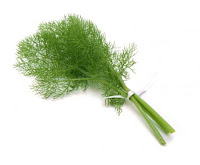
First of all clean the sweet fennel, taking care to remove the toughest sprigs, rinse it quickly and put to boil in a pot with plentiful salt water for 20 minutes. Once cooked, remove the fennel from the pot but don't throw its cooking water, reserve it aside because you will need later. Dry fennel with blotting paper and cut into pieces.


Meanwhile clean the sardines. Remove heads, tails, plugs, bowels and, finally, open them in half lenghtwise. Rinse carefully them, dry with blotting paper, then, cut into small pieces (but not too small) and store. Now slice thinly the onion  and brown it in a big pan with two spoons of extravirgin oil, add the anchovy fillets and let them "melt" until they become a sort of sauce creamy. At this point add the sardines and fry everything for about 3-4 minutes.


In the frying pan add the grape passolina, the pine nuits, the sweet fennel, 4 teaspoons of salt and 2 teaspoons of fresh ground black pepper. Take care to mix this seasoning with delicacy and, if it seems necessary, add 1 tablespoon of the sweet fennel cooking water, that you have held aside. Let cook for about 15 minutes. In the meantime, put on the gas the pot with remained fennel cooking water (if it's necessary add more water) in which you will cook the bucatini. In another pan, pour 1 tablespoon of extravirgin olive oil and add the bread-crumbs, let toats it until it is golden brown, but attention not to make it burn.


When pasta will be cooked drain it well, then pour into the pan with the seasoning and mix everything gently, keeping the gas flame to a minimum. After plating  pasta, sprinkle each portion with abundant bread-crumbs and bring on the table.


I suggest you to accompany the pasta with sardines with a vintage and flavored white wine, well frozen.

Doses for four people:

- 500 grams/1 lb of bucatini pasta
- 500 grams/1 lb of sweet fennel (if you don't find it, you can use the green part of fennel but the final taste will be not the same)
- 500 grams/1 lb of fresch sarde (sarde are also known as sardines)
- 50 grams/2 oz of grape passolina (I suggest you to don't use rainsins or grape sultana because are too sweet)
- 50 grams/2 oz of pine nuts
- 3 salted anchovies
- 1 white onion
- bread-crumbs (3/4 tablespoons)
- extravirgin olive oil
- salt
- fresh ground black pepper

Wednesday, 10 February 2016

"Ghiotta" of Stockfish (Piscistoccu a gghjiotta)

The "ghiotta" of stockfish, in Messina dialect told  "Piscistoccu a gghjiotta", is one of the most famous dishes of the coast of the city. It is a very simple and genuine dish, it can be considered one course meal and in the past, after the Second World War, was often prepared during the week because it was considered a "poor food" (stockfish was the cheapest fish). Today the "ghiotta" of stockfish is known throught the world as typical dish of the city which overlooks the Sicilian Strait, and for this reason it is inserted in the menus of many restaurants, even the most refined.

Buy the "Pescestocco" (in Italy Stockfish is told Pesce Stocco, in Messina the two words are written united) already soaked and deprived it of thorns and bones; in Sicily people buy it from "piscistuccaru". Wash the stockfish before cooking ande dry carefully with plotting paper. Fry the stockfish, for a few minutes, with extra vergin oil in a no stick pan.

In an other pan with high base (the Sicilian housewives used earthenware pots) fry the onion, finely chopped, with plenty of olive oil (2 spoons). Add tomatoes (no peeled and already cut), salt and ground black pepper. Cook for about 5 minutes. Add the potatoes previously peeled and sliced. Cook the sauce with potatoes for about 20 minutes. 


United sauce with potatoes and the stockfish already fried. Pour half aglass of white wine and let evaporate. Add the desalined capers, pitted olives, chopped parsley and red hot pepper cut into rounds. Cook over a low fire for about 45 minutes, stirring off and on with great delicacy and adding some water, preferably hot, just enought to cook the fish better. I suggest you monitor the amount of the sauce: if it's necessary still add some water or, if the sauce becomes too liquid, let restrict it prolonging the cooking time. Finally adjust the food with salt and ground black pepper if need be. 

At this point the "Ghiotta", which can easily be prepared also for our celiac friends, is ready and you can bring on the table with a good full- bodied red wine and homemade bread.

Doses for 6 people:

- 1 kilograms of stockfish (it is dried cod)
- 1 kilograms of potatoes (about 10, peeled and cut for long in thick slices)
- 1 red onion (cut thinly)
- 200 grams /7 oz of  green olives in brine pitted
- 100 grams/ 3¾  oz of capers (already washed)
- 15 Piccadilly tomatoes (no peeled and cut in four parts)
- half glass of white wine
- chopped parsley (about 2 spoons)
- 1 red chilli pepper (cut into rounds)
- half glass of extra olive oli
- salt (about 1½ spoon, but adjust according to your taste)
- ground black pepper (about 3 teaspoons, but adjust according to your taste)

We recommend for your shopping:
http://cocciudamuri.it/index.php/selezionati-da-cocciu-d-amuri/olio-extra-vergine-d-oliva.html

http://cocciudamuri.it/index.php/prodotti-gastronomici/aromi-e-spezie/aromi-per-spaghetti-all-eoliana-100g-86.html

Tuesday, 2 February 2016

Sauce with capers and olives

The sauce with capers and olives is a tipycal Mediterranean seasoning, very simple to prepare.
Peel the spring onions and chop finely. Then, wash the capers under running waters to remove all salt and pat dry them with a blotting paper. Pit the green olives and cut into rounds.


Scald the tomatoes in boiling waters for a few seconds, then remove them with a slotted spoon and let cool for some minutes. At this point, peel them, open in half, remove the seeds and shake it to get a pass (if you prefer you can use vegetable mill instead the mixer).


Brown the oil in a large and heavy bottom, add the spring onions and fry them over a low flame but they must not take color (to be clear, they don't be browned): add capers and olives, pour the mixture of tomatoes and cook for 20 minutes, stirring often. Few minutes before removing the sauce from the flame, add salt and season plenty with oregano and ground black pepper. Divide the sauce in clean and dry vessels, close them hermetically and sterilize for 20 minutes.


The sauce with capers and olives is an ideal sauce for pasta. You need only to warm up it in a saucepan, adding a little of oil, for few minutes before using. This sauce, so prepared, can be saved in your pantry for about 8-9 months and be used, without problems, by vegans, vegetarians and celiac.

For 6 jars 2.5 dl (6,8 fl oz)

- 2 kilograms of firm and ripe plum tomatoes ("San Marzano")
- 4 spring onions
- 5 tablespoons of extra vergin olive oil
- 80 grams/3 oz of salted capers
- 80 grams/3 oz of green olives
- oregano (6/7 teaspoon)
- extra virgin olive oil
- salt (about 2 tablespoon, but adjust according to your taste)
- fresh ground black pepper (about 3 teaspoon of pepper, but adjust according to your taste)

Wednesday, 27 January 2016

Almond jelly ("Biancomangiare" or Gelo alle mandorle)

Typical of the area of Modica, Biancomangiare is a dessert simple to prepare, its consistency similar to a pudding and its flavor delicate, ideal to consume at the end of a meal or even as a snack.
The traditional recipe prescribes to garnish it with cinnamon powder and almonds, but you can decorate it as you prefer, for example, with chopped pistachios, melted chocolate, mixed berries, fruit, etc...You can prepare it in a single big pudding mold or in little molds to make monoportions.


I will use for the preparation commercial almon milk, but if you want you can make fresh almond milk melting almond paste in water at ambiental temperature (usually it needs 1,25 liters of water to dissolve a paste of 200 grams, anyway you follow the instructions on the package).


Pour the starch and the almond milk in a saucepan and mix until starch will be completely dissolved, be careful that the are no lumps. Now add cinnamon powder, sugar and the lemon peel. Put the saucepan on gas and let cook over a low flame, mixing occasionally. Starting when it begins to boil, let cook for other two minutes, stirring constantly to prevent that cream sticks to saucepan. At this point, remove the lemon peel and pour the cream in a pudding mold (or, if you prefer, in little molds to make single portions) and let cool. When it will cool, put in fridge for at least 4 hours. Personally I suggest you let it in fridge for all the night. Garnish Biancomangiare with cinnamon powder and almonds, or how you prefer, and bring on the table.

If you consume Biancomangiare at the end of the meal, I suggest you to accompany it with a sweet red wine or a sweet sparkling white wine. This cake is ideal to be consumed by our vegan, lactose intolerant or celiac friends.

Doses for 6/8 people:

- 1 liter/US quart of almond milk
- 100 grams/ 4 oz of sugar
- 110 grams/ 4 oz of starch cake
- cinnamon powder (1 dessert spoon for the preparation, 3 to garnish)
- 1 lemon peel (try to cut the peel in a single strip)
- almond to garnish (with o without peel)

We recommend for your shopping:
http://cocciudamuri.it/index.php/prodotti-gastronomici/aromi-e-spezie/aromi-per-spaghetti-all-eoliana-100g-82.html

Saturday, 16 January 2016

Piparelle ("Pipareddi")

Piparelle (or "Piapreddi") are typical biscuits from Messina, which do my mind travelling in a sweet past: a characteristic hamlet in the mountains of Messina, San Pier Niceto; an old house with a brick oven on the first floor; a recipe written in a yellowed notebook handed down from generation to generation, placed on a table beset with flour; a woman called by all "Aunt Nanna", who loved to wear the apron to make happys his grandchildren and great-grandchildren and the scent that conquered all the rooms, strongly flavored, prelude to a delicious crispness. There are several variants of this recipe but I want to publish just that yellowed by the time, which my mother does live again during Christmas and Easter.

Preheat oven to 180 °C (356 °F). While oven heats up, put the sugar in a kettle on fire and melt it in water (about a glass). After pour flour in a large bowl and add almonds, baking soda, powder cinnamon and  mandarin-peel. Make a well in the center of the flour and put in the center the melted sugar, lard at room temperature, muscat wine and honey. So makes a soft dough worked with hands; if it is necessary add water at room ambient, just enough to soften the dough.  Divide it in loafs with a circumference of about 20 cm and length as the trays. Bake loafs for about 30 minutes (they will be ready when the crust is golden). Once cooked, let cool loafs for about 10 minutes, then cut into slices about 1 cm thicks. Put again Piparelle in oven, yet hot but turned off, until they become cold. This step gives the characteristic crispness.

Piparelle are the perfect biscuits for who loves the taste of almonds and the scent of honey and citrus fruits. I suggest you to dim them in a little glass of liqueur wine, like Moscato, Passito and Marsala, after meals. But who doesn't like this kind of dessert wine, can dim them in milk at breakfast, in tea in the afternoon or eat them natural during all hours oh the day.

Doses for a kilogram

- 1 kilogram of superfine flour (00 Italian Flour)
- 30 grams/1,05 oz of sugar
- 200 grams/7 oz of honey, preferably Orange honey
- 130 grams/4,6 oz of lard
- 30 grams/1,05 of baking soda
- 100 grams/3,5 oz of almonds with the peel
- mandarin (or organe or lemone) -peel (of 1 fruit)
- half a glass of Moscato wine
- half tablespoon of powder cinnamon

We recommend for your shopping:
http://cocciudamuri.it/index.php/prodotti-gastronomici/aromi-e-spezie/aromi-per-spaghetti-all-eoliana-100g-82.html

Sunday, 10 January 2016

Maccheroni alla Norma

Maccheroni alla Norma is a traditional and all over dish of Sicilian cuisine, but Catania is strictly the place of origin. 
There are many variations of this recipe wich relate to the cheese to be used and the preparation of the sauce. 
My recipe requires the use of tomato sauce cooked with a clove of garlic and smoked ricotta cheese
Also I suggest you use large and round aubergines, not those small or elongated.


First remove the beginning and the ending of the aubergines after cut these into slices, not too thin. Then arrange in layers them in a colander and sprinkle with salt each layer. Leave like for about half an hour. After this time wash quickly and dry well the slices (this process is to eliminate aubergines bitter aftertaste). Fry slices in extravirgin olive oil until they are golden brown and, finished cooking, put them in a plate taking care to dry oil you will seem in excess with a paper towel. Now cut your slices into strips not too small and set aside.


Meanwhile pour the tomato sauce in a saucepan, add half a glass of water, a clove of garlic and basil leaves. Make cook the sauce until it will seem very substantial (it must not be liquid !!!), remove the garlic and season with salt. Almost the end of cooking  add a little oil, always extravirgin olive oil, and let cook a few minutes more. Meanwhile grate the smoked ricotta cheese.


Put a pot on the gas with water and abundant salt to cook pasta. For the cooking time of maccheroni follow the time indicated on the package. When pasta is ready, drain it well, add  the tomato sauce (taking care that it is hot), the strips oh aubergines, abundant grated ricotta cheese and, finally, basil leaves.


I suggest you combine maccheroni alla Norma with a still white, chilled, or a good red wine. This recipe is ideal for vegetarian friends which want to enjoy a genuine and tasty dish.

Doses for 4 people:

- 400 grams/14 oz  of maccheroni
- 2 big and round aubergines
- 150 grams/5 oz of grated smoked ricotta cheese
- 1 tomato sauce bottle (500 grams/1 lb 2 oz)
- 1 clove of garlic
- basil (preferable big leaves quality)
- salt and ground black pepper
- extravirgin olive oil

We recommend for your shopping:
http://cocciudamuri.it/index.php/selezionati-da-cocciu-d-amuri/olio-extra-vergine-d-oliva.html

Sunday, 27 December 2015

Lasagne cacate

Towards Christmas, traditional Sicilian cuisine is enriched by several  recipes. I have chosen to suggest you a first course recipe to bring to the table during this holiday season. It's tipical of Modica's area, but fairly widespread in the rest of Sicily.
The original recipe calls for the use of "sugna", lard, but, if you can't find it, you can use olive oil, strictly extravirgin. Also you can use minced meat, instead to mice the meat after cooking.


Put in a saucepot a piece of meat of veal and one of pork and brown them in lard, fading all with a glass of red wine. When meat will be brown, remove it and put in the same saucepot a thin red onion chopped to fry. Now add tomato extract, diluited in a little water, put again the meat and season to taste. When meat will appear cooked, mice it and after put in the sauce, on fire off.


Meanwhile prepare the lasagne. Oil the bottom of a baking tin, place the first lasagne layer, then add ragout, fresh ricotta cheese and grated caciocavallo (kneaaded-paste cheese from Southern Italy). Continue to arrange in layers, for other 4-5 times. On the last layer abound with caciocavallo, so on lasagna will be a golden and crispy layer oh cheese.


I suggest you to combine the intense taste of this dish with a good full-bodied red wine....and Merry Christams !!!!

Doses for a baking tin (6 people):

- 1 red onion
- 100 grams/3,5 oz of grated caciocavallo (kneaaded-paste cheese from Southern Italy)
- 400 grams/1 lb of fresh ricotta
- 100 grams/3,5 oz of lard or, alternatively, extravirgin olive oil
- 1 glass of red wine
- 600 grams/1 lb 5 oz of lasagne
- 500 grams/1 lb 2 oz of meat of pork
- 500 grams/ 1 lb 2 oz of meat of vael
- 400 grams/ 1 lb of tomato extract
- salt
- fresh ground black pepper

We recommend for your shopping:
http://cocciudamuri.it/index.php/selezionati-da-cocciu-d-amuri/olio-extra-vergine-d-oliva.html